
Building the climate model Mexico needs
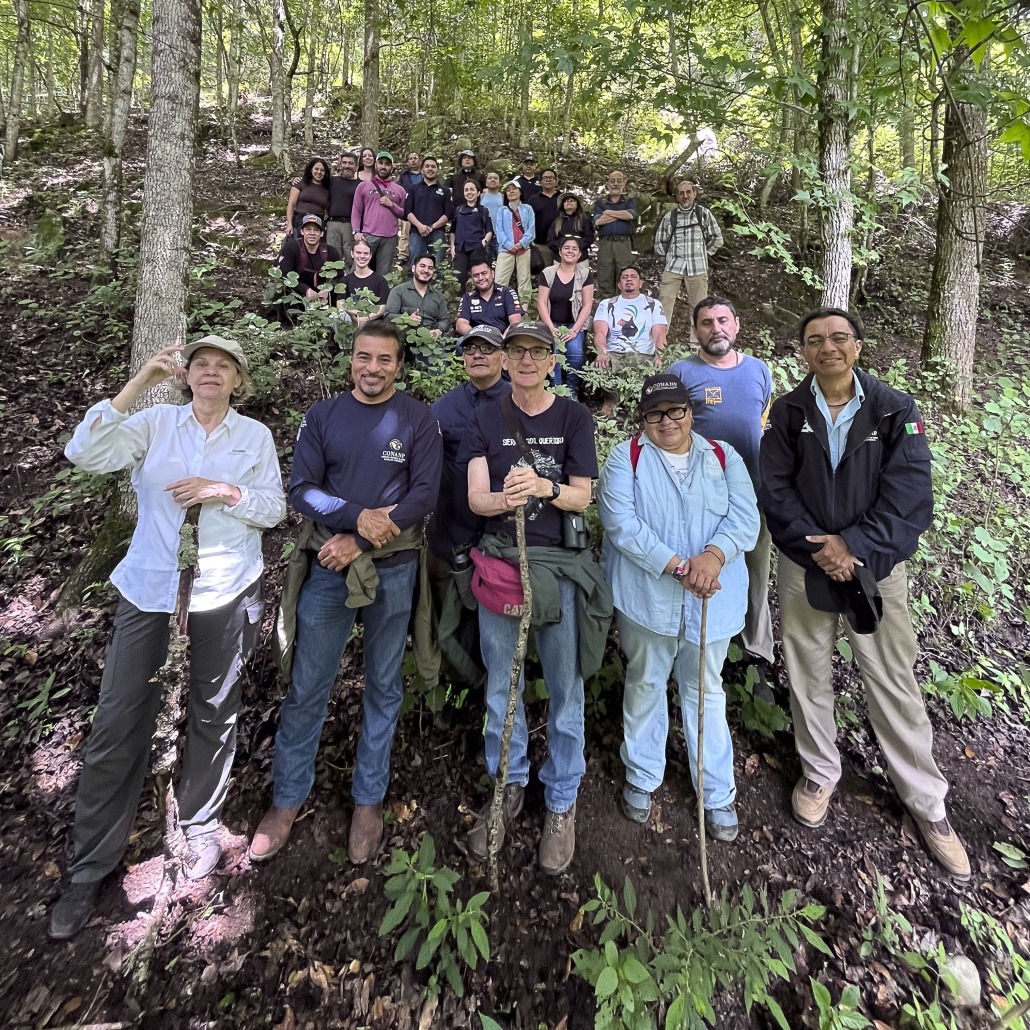
From June 12 to 15, the Sierra Gorda hosted the “Sello Querétaro” workshop, bringing together 50 representatives from 20 states across the country to learn firsthand about the Carbono Biodiverso program and one of the most advanced subnational climate financing models in Latin America.
It was a historic moment for climate collaboration in Mexico. Attendees included civil society organizations, environmental representatives from state governments, and federal officials from the National Commission of Natural Protected Areas and the Secretariat of Environment and Natural Resources, coming from Chihuahua, Quintana Roo, Sonora, Campeche, Chiapas, Jalisco, Veracruz, and more. Everyone had the same question: How does this model work, and how can we replicate it?
The model responds to the credibility crisis of international carbon markets with something different: a local protocol backed by state fiscal policy that pays ejidatarios, comuneros, and private landowners directly for protecting and regenerating their forests. Querétaro’s industry reduces its environmental footprint, forests recover, and resources stay in the territory.
Today, caring for the forest is more profitable than cutting it down. This model has created a virtuous circle for more than 174 landowners in the Sierra Gorda, and the springs, biodiversity, ecosystems, and communities are winning.
Thank you to everyone who attended and to our allies and collaborators! We now have a model that works. It’s time to scale it.
Sanitation happens when cared for as a community
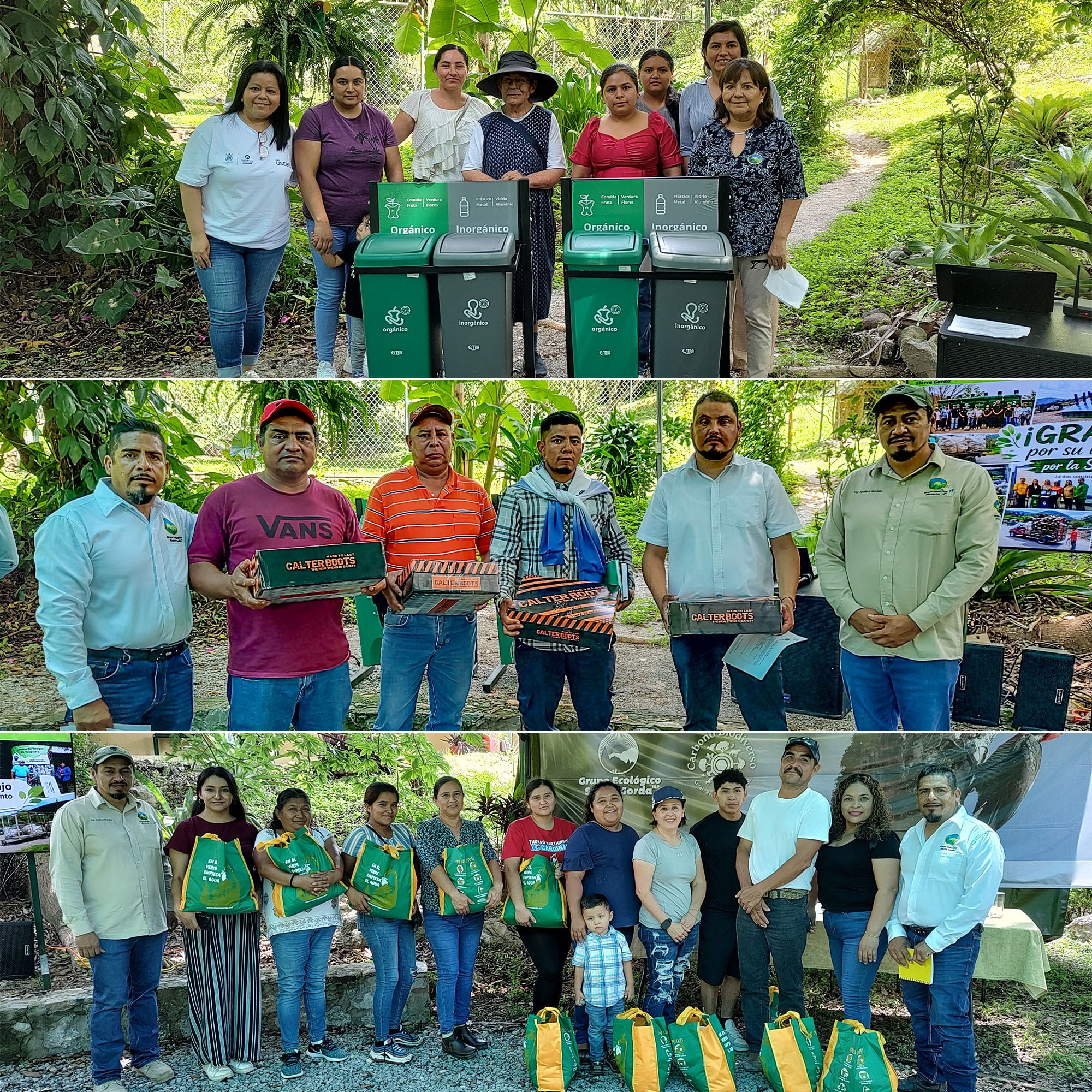
On June 18, we gathered at Centro Tierra with the people who make sanitation in the Sierra Gorda possible every day. Recyclable material sorters, biodigester operators, cleanup campaign volunteers, parent and teacher committees, and collection center operators. They shared their experiences, challenges, and achievements, because behind every well-managed piece of waste is a person committed to their community and their land.
We presented the program’s progress, including 27 biodigester units handling 5,400 liters of organic waste daily, 10 collection centers run by micro-entrepreneurs, 150 active recycling sites, and more than 20 cleanup campaigns in 2025 that remediated 10 illegal dumpsites. We also delivered equipment to keep strengthening fieldwork, including personal protective gear, a new biodigester unit, and 30 waste separation containers for schools. We thank representatives from CONANP and USEBEQ for their presence, and give special recognition to Fundación FEMSA, whose support has been key to the continued growth of this sanitation model.
In coordination with USEBEQ
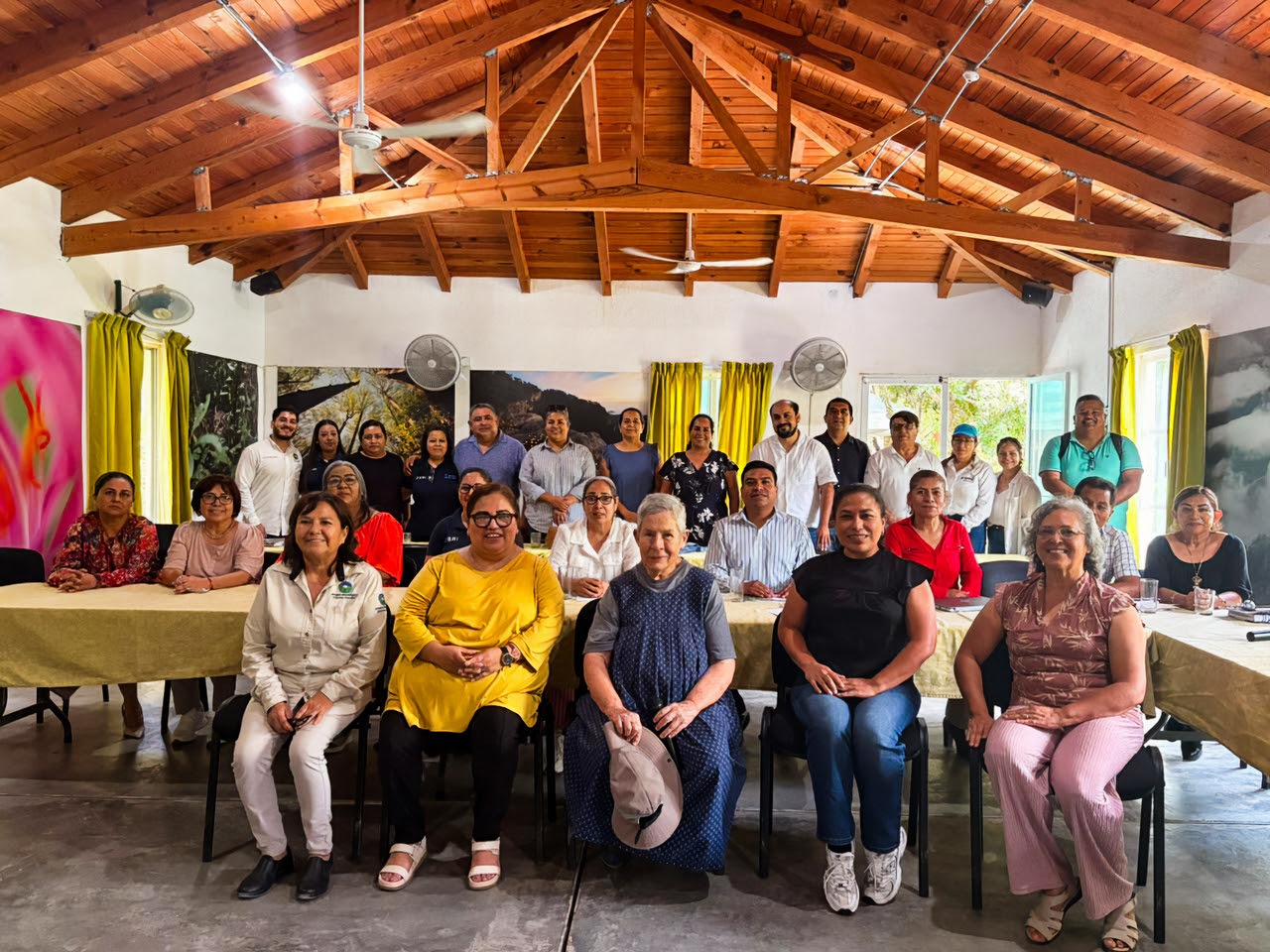
On June 15, Centro Tierra was the meeting point for 29 USEBEQ Basic Education heads and supervisors at the follow-up workshop on the Green Protocol.
Mtra. Pati took part, highlighting the education sector as a key ally in 39 years of conservation and action by GESG, while USEBEQ authorities reaffirmed their institutional commitment to environmental education. Ing. Ricardo Torres, Undersecretary of Environment at SEDESU, noted that collaboration between government, civil society, and education in the Sierra Gorda is a model of citizen participation for conserving the Biosphere Reserve.
In working groups organized by municipality, participants exchanged experiences and set concrete commitments to integrate environmental education into each school’s Continuous Improvement Programs and supervision plans.
Photo of the month
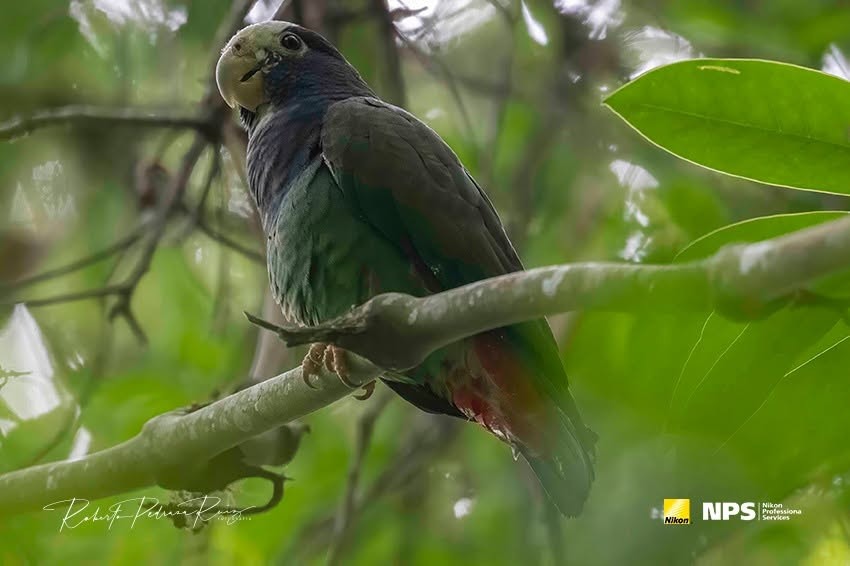
Thanks to GESG’s collaboration with CONANP, several wildlife specimens are getting a second chance, and that brings us great joy. Like this White-crowned Parrot (Pionus senilis), released back into the forests where it belongs, in an optimal, remote site where its relatives live in peace. It flew off without much hesitation from the crate (it had to be carried to reach its destination), and the photos were taken once it was already high in the canopy. Releasing wildlife after rehabilitation is rewilding, another reason for hope.
Recent publications
Spanish:
Carbono Biodiverso: un protocolo local sobre el carbono que vincula la regeneración forestal con el desarrollo económico comunitario en México.
Panorama Solutions for a Healthy Planet
Pati, la mujer que sembró futuro en la Sierra Gorda
El Sol de México
English
Case Study, A transparent carbon registry for Grupo Ecológico Sierra Gorda.
OpenForests
Copyright © 2022. Grupo Ecológico Sierra Gorda, all rights reserved.
Our mailing address is:
Ave. La Presa S/N Barrio, El Panteon, 76340 Jalpan de Serra, Qro., Mexico.
email: info@sierragorda.net


