
Planning with Local Authorities
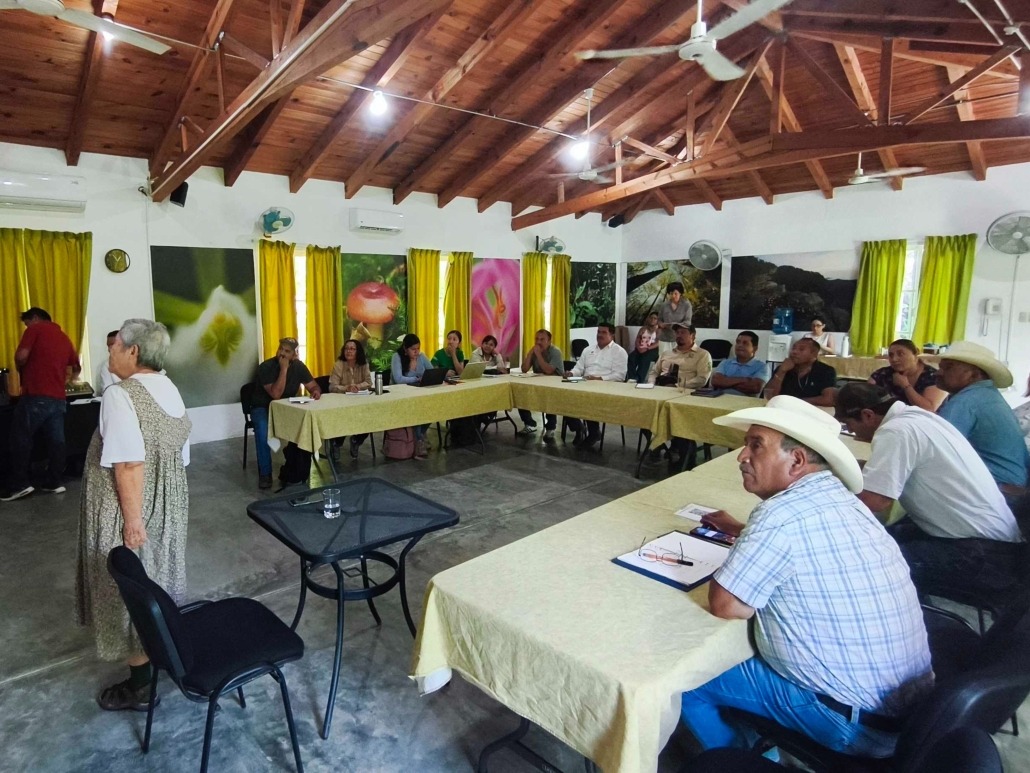
On July 29, we welcomed officials from the municipalities of Peñamiller and Cadereyta de Montes to Centro Tierra for a planning workshop under the GEF project aimed at promoting productive diversification in communities engaged in mercury mining.
During the session, staff from Grupo Ecológico Sierra Gorda (GESG) and Mexico’s National Commission of Natural Protected Areas (CONANP) presented the various lines of action developed by GESG that have the potential to be replicated in these municipalities. The workshop also provided an opportunity to explore potential partnerships and establish goals for mining areas in Cadereyta, Peñamiller, Pinal de Amoles, and San Joaquín.
These efforts will not only create sustainable economic alternatives for local communities, but also deliver environmental benefits by promoting proven strategies that encourage a transition away from mercury mining, as part of Mexico’s efforts to fulfill its commitments under the Minamata Convention.
Community Sanitation: Collecting Agrochemical Containers
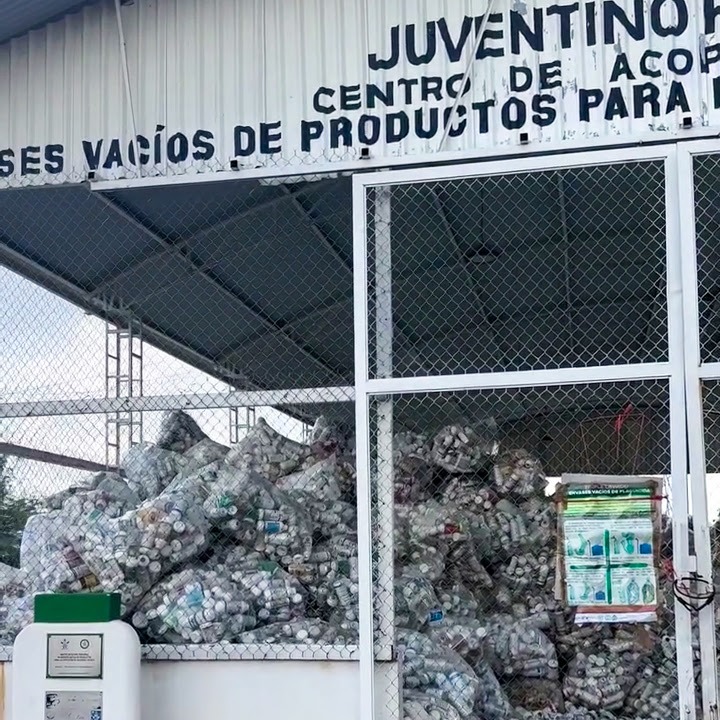
In July, we joined an agrochemical container collection drive organized by SADER in Jalpan de Serra and Concá. At GESG, we see this work as an integral part of our community sanitation efforts, joining forces with government agencies and other institutions to ensure that these hazardous contaminants do not end up in landfills or in the rivers and streams that provide us with water.
Thank you to everyone who took part in this effort for our Sierra Gorda.
Joining Forces for a Sustainable Future
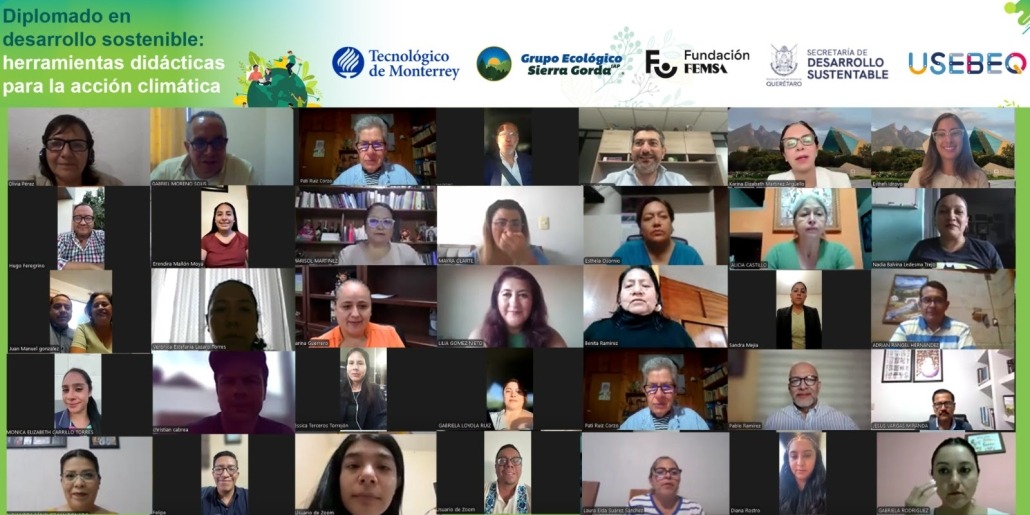
On July 14, the closing ceremony was held for the 2026 Sustainable Development Diploma Program, “Teaching Tools for Climate Action,” the result of a joint effort between Grupo Ecológico Sierra Gorda I.A.P., Tecnológico de Monterrey, the Querétaro State Educational Services Unit (USEBEQ), and the Secretariat for Sustainable Development (SEDESU).
In this edition, 196 teachers from Querétaro and San Luis Potosí completed the program, bringing the total number of teachers trained across its different cohorts to 1,001.
As part of their training, each teacher developed a school- or community-based intervention project using the Green Protocol for Climate Action, reaffirming that education remains a key tool for driving environmental change from classrooms into communities.
Third Salamander Expedition
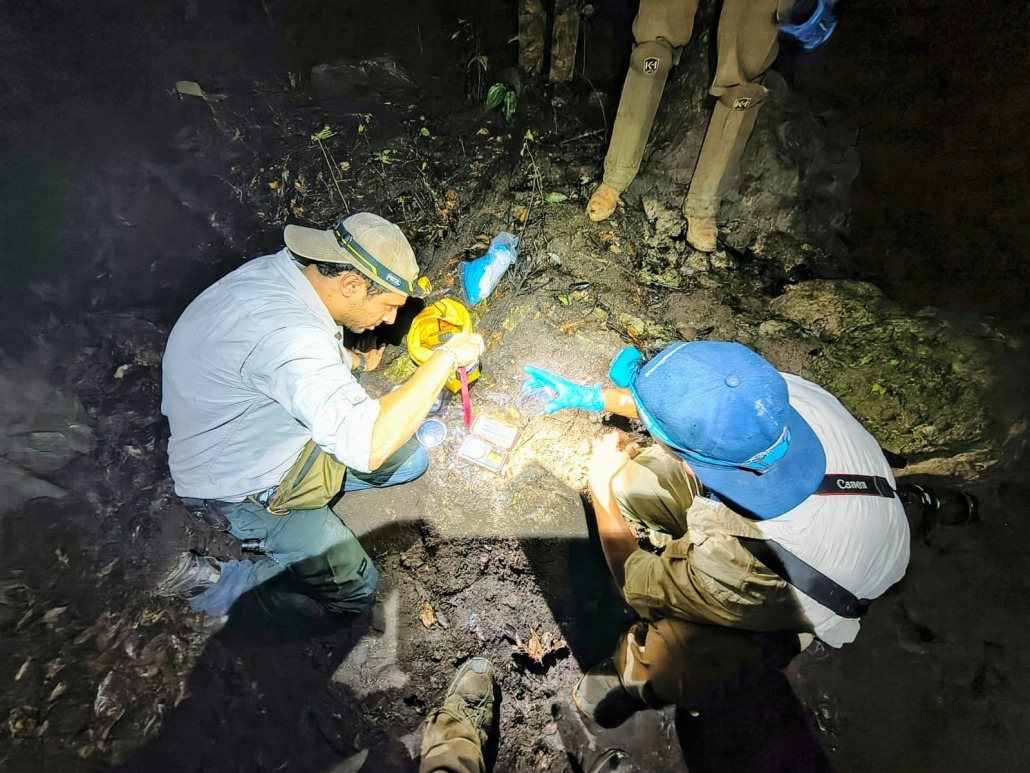
Continuing our efforts to document the habitat use and presence of the rare and endemic Big-footed Splayfoot Salamander (Chiropterotriton magnipes) in the reserves we protect and on properties under conservation through payments for CO₂ capture, we carried out our third expedition in search of this remarkable species.
Biologists Alejandro Calzada and Raúl Trejo joined the expedition, with support from the UK-based World Land Trust. Their work allowed us to document this rare species in greater detail, including, for the first time, an adult guarding its precious eggs and, a few days later, the hatchlings—never before photographed.
During this latest expedition, we explored 10 caves. Because this species depends exclusively on underground passages for its habitat and is nocturnal, the work meant venturing into caves at night in remote locations, adding an extra sense of adventure to the search. Along the way, we also recorded other species of amphibians and bats.
One of the key conclusions from these field expeditions is that our hands-on conservation work protecting the forests surrounding the caves on which this salamander depends helps maintain the humidity and temperature conditions inside them. We are proud to know that our work is directly contributing to the conservation of this extraordinary species.
Carbono Biodiverso: A Project Delivering Real Results
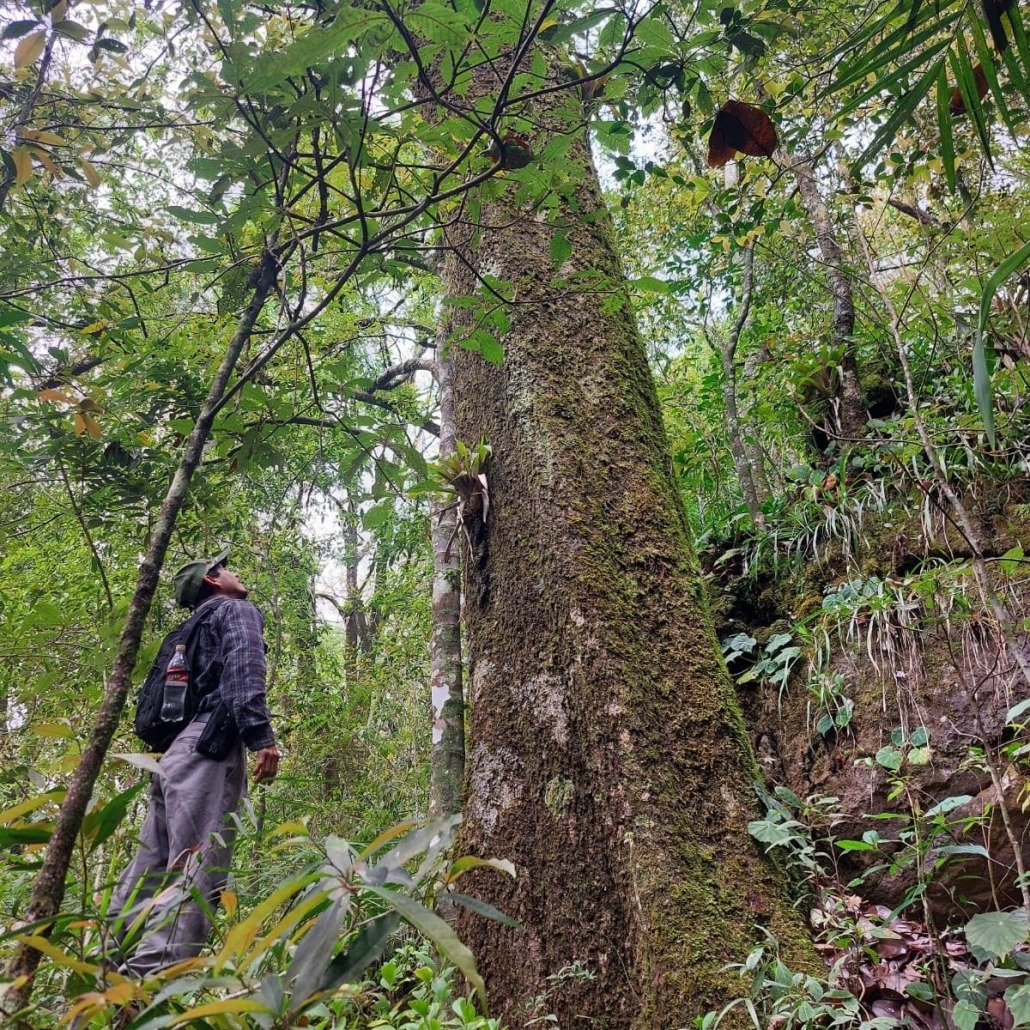
As part of the implementation of the Carbono Biodiverso project, made possible through the State of Querétaro’s Low-Carbon Emissions Seal—an innovative public policy unique in Mexico and implemented by the Secretariat for Sustainable Development (SEDESU)—we conduct inspection visits to every participating property to verify compliance with conservation requirements.
Keeping livestock browsing—pressure from non-native animals—out of these areas, preventing timber extraction, and ensuring there are no forest fires or land-use changes allows us to effectively protect forests and tropical dry forests, and therefore the habitat of a wide variety of wildlife species.
As a result, ecosystems regenerate naturally, while landowners receive income that exceeds what they could earn from traditional productive activities, creating a virtuous cycle in which conservation and local livelihoods reinforce one another.
Without a doubt, this public policy is making an enormous difference, with tangible and measurable social and environmental benefits.
Fundación FEMSA Highlights the Impact of Biological Chambers
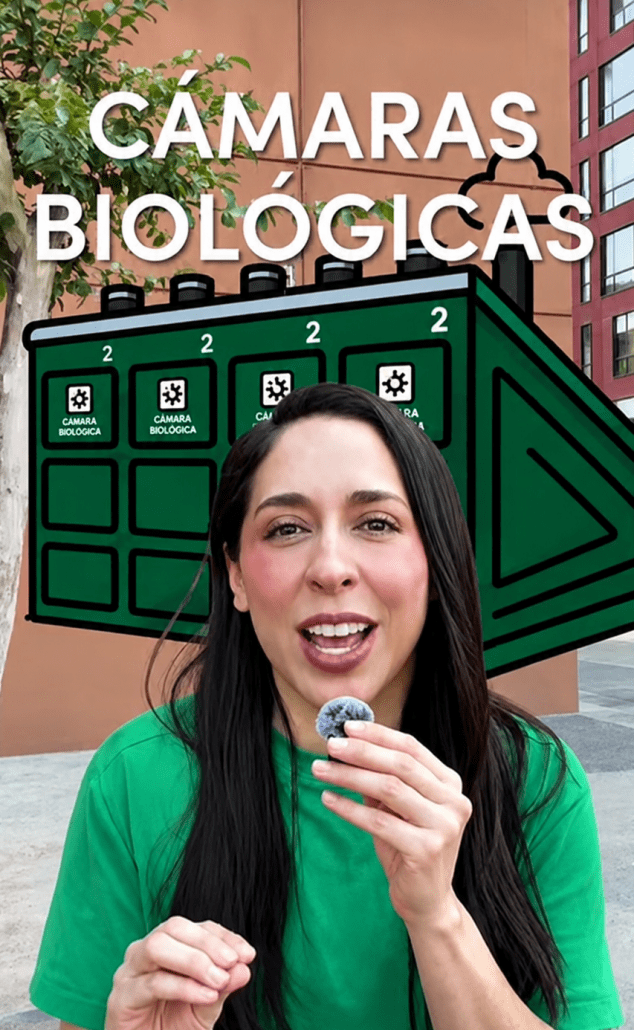
With support from Fundación FEMSA and SEDESU, our Sanitation Program operates 27 biological chambers purchased from Grupo de Tecnología Alternativa S.C. that transform organic waste generated by households and municipal slaughterhouses into compost and natural fertilizer.
This system, now operating in communities throughout the Sierra Gorda as well as at the Jalpan de Serra landfill, helps reduce pollution in rivers and soils while promoting the responsible use of organic waste and encouraging community participation.
Fundación FEMSA recently shared a video about this initiative on its social media channels. We invite you to watch it and learn more about the impact biological chambers are having in the Sierra Gorda.
Photo of the Month
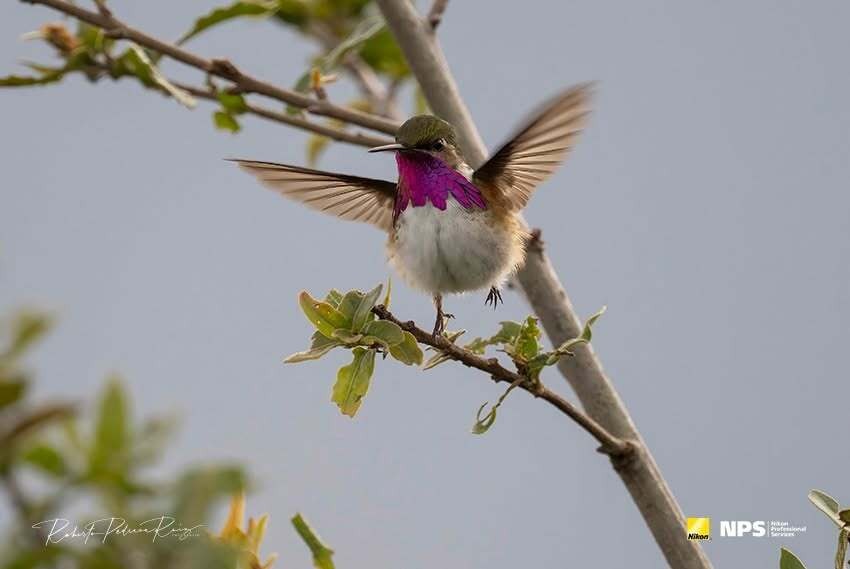
Once again, an encounter with the Bumblebee Hummingbird (Selasphorus heloisa)—an annual appointment I simply cannot miss.
Every year, Mexico’s smallest bird, a species found nowhere else in the world, appears in clearings high in the Sierra Gorda. There, amid the mountain forests, the males fiercely compete for territory and the attention of females.
Recent Publications
Copyright © 2022. Grupo Ecológico Sierra Gorda, all rights reserved.
Our mailing address is:
Ave. La Presa S/N Barrio, El Panteon, 76340 Jalpan de Serra, Qro., Mexico.
email: info@sierragorda.net


